One realtor hires the first cheap crew available for a foreclosed listing. Another calls a licensed, insured foreclosure cleanout services provider. Six months later, one of them is dealing with an illegal dumping complaint tied to the property, while the other already closed the sale.
The difference rarely comes down to price. It comes down to who actually shows up, what they are licensed to do, and what happens if something goes wrong.
This article breaks down five specific reasons Metro Atlanta realtors choose professional foreclosure cleanout companies over unlicensed alternatives — and why each reason actually protects them.
Realtors choose licensed foreclosure cleanout providers to protect themselves from legal liability, keep listings on schedule, and avoid unpredictable costs.
How These Reasons Were Identified
These five reasons come from Georgia hauling regulations, current foreclosure cleanout service market data, and the buying criteria realtors and property managers use when vetting a cleanout vendor.
Before hiring any foreclosure cleanout company, a realtor should confirm that the provider is licensed to operate as a hauling business in Georgia, carries liability insurance, can provide proof of coverage before work begins, and has documented experience handling same-day or next-day property turnarounds.
- Georgia legal and licensing requirements that apply to any company hauling waste from a residential property
- Metro Atlanta foreclosure and REO transaction volume, which shapes how often realtors need this service
- Realtor decision factors including turnaround speed, cost predictability, and liability transfer
Same-Day and Next-Day Turnaround Speed
A foreclosure listing does not wait for a cleanout crew to find a free afternoon. Every day a property sits full of furniture, appliances, and abandoned belongings is a day it cannot be photographed, staged, or shown. Same-day and next-day availability means a realtor can call in the morning and have the property cleared before the end of the week, not the end of the month.
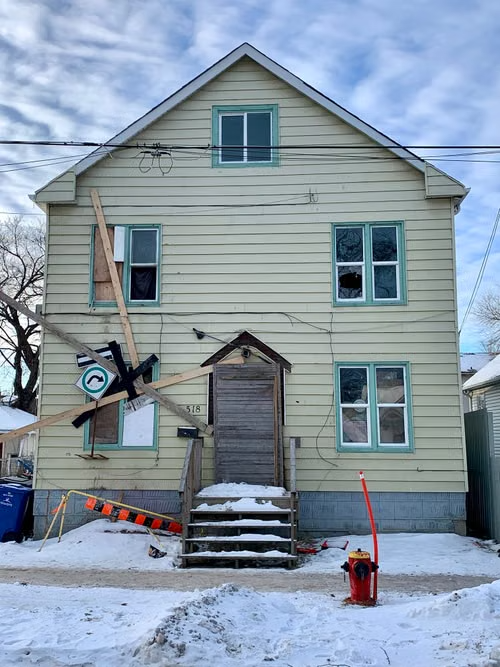
foreclosure starts nationwide in Q1 2026 — up 20% YoY (ATTOM)
One honest limitation: Extremely large estates with years of accumulated items may still need advance scheduling even with a same-day-capable provider.
Licensed and Insured Protection From Legal Liability
Georgia law does not treat illegal dumping as a minor inconvenience. Under Georgia Code Section 16-7-43, dumping waste — including furniture, appliances, and debris removed during a typical foreclosure cleanout — without proper authorization is a criminal offense. A first offense is a misdemeanor carrying a fine of up to $1,000 and up to one year in jail. A second offense involving more than 500 pounds of material becomes a felony, with fines reaching $25,000 and up to two years in prison per Georgia Code Section 16-7-52.
Licensed and insured providers must comply with these statutes, hold valid business licenses, meet commercial vehicle registration requirements, and carry liability insurance to protect the property owner from damage claims.
One honest limitation: A realtor should still ask to see proof of insurance before hiring, rather than assuming every company that advertises as licensed actually is.
Upfront, Transparent Pricing for Clean Closing Timelines
Foreclosure and REO transactions move on tight, negotiated timelines. A realtor coordinating repairs, cleanout costs, and closing dates cannot build an accurate budget around a vendor who quotes a range and adjusts the price after the truck is loaded. A cleanout provider using flat-rate, tiered pricing — from single-item pickup through full-load pricing — gives a realtor a number to work with before the job starts.
One honest limitation: The final price still depends on the actual load volume confirmed on-site, so an initial phone estimate may shift once the crew sees the property in person.
Full-Service Handling With No Manual Labor Required
Realtors are not property crews. They should not need to coordinate a truck rental, recruit labor, or figure out where old appliances and furniture legally go. A full-service foreclosure cleanout means the realtor makes one call, and the provider handles removal, hauling, and disposal from start to finish. This matters most to realtors juggling multiple listings at once, where time spent managing a cleanout personally is time not spent on the parts of the job that actually require a real estate license.
One honest limitation: Properties with extreme accumulation, such as long-term hoarding situations, may extend the service timeline even with a full-service crew on-site.
Eco-Friendly Disposal That Supports Community Reputation
How a cleanout is handled reflects on everyone connected to the transaction, including the realtor's name on the listing. A provider that donates usable furniture and appliances to organizations such as Goodwill and Habitat for Humanity ReStore and recycles what it can — rather than sending everything to a landfill — turns a foreclosure cleanout into a responsible process instead of a teardown. This matters most to realtors and banks with community-facing reputations to protect, particularly in neighborhoods where a foreclosure sale already draws attention.
One honest limitation: Heavily damaged or unsanitary items are not eligible for donation regardless of the provider's disposal practices and will be routed to standard waste disposal instead.
Frequently Asked Questions
How fast can a foreclosure cleanout be scheduled in Metro Atlanta?
Many licensed foreclosure cleanout providers in Metro Atlanta offer same-day service when a request comes in by early afternoon, with next-day scheduling available for larger properties. Confirm same-day availability directly with the provider, since exact cutoff times vary by company and current job volume.
Who is legally responsible for a foreclosure cleanout, the bank or the realtor?
Responsibility typically falls to whoever holds the property at the time of cleanout, which may be the lender, an asset management company, or the listing agent coordinating on their behalf. Georgia's illegal dumping statutes apply to whoever arranges the disposal, which is why hiring a licensed and insured provider matters regardless of who technically owns the property.
What does a foreclosure cleanout cost in Metro Atlanta?
Costs vary based on the volume of items and the size of the property, typically ranging from a single-item fee for small jobs to a full-load rate for properties with extensive accumulation. A provider using upfront, tiered pricing can give a realtor an estimate before the crew arrives, rather than after the job is already underway.
What should a realtor ask before hiring a foreclosure cleanout company?
A realtor should confirm the company is licensed to operate as a hauling business in Georgia and can show proof, carries liability insurance with a certificate available before work begins, and provides upfront pricing rather than calculating fees after the truck is loaded. It also helps to ask whether removed items are donated or recycled rather than sent straight to a landfill.
Can usable items from a foreclosed property be donated instead of thrown away?
Yes, many professional cleanout companies set aside usable furniture, appliances, and household goods for donation to organizations such as Goodwill or Habitat for Humanity ReStore rather than sending everything to a landfill. This depends on the condition of the items and the provider's specific donation partnerships.
The Next Step
Realtors managing a foreclosure or REO listing in Metro Atlanta do not need to gamble on an unlicensed crew to save a few dollars on a cleanout. A licensed, insured, and transparent provider protects the transaction, keeps the listing on schedule, and removes one more variable from an already time-sensitive sale.
Request a free, no-obligation quote for your next foreclosure cleanout service by GoGo Junk Removal and get the property listing-ready without the legal or scheduling risk.