
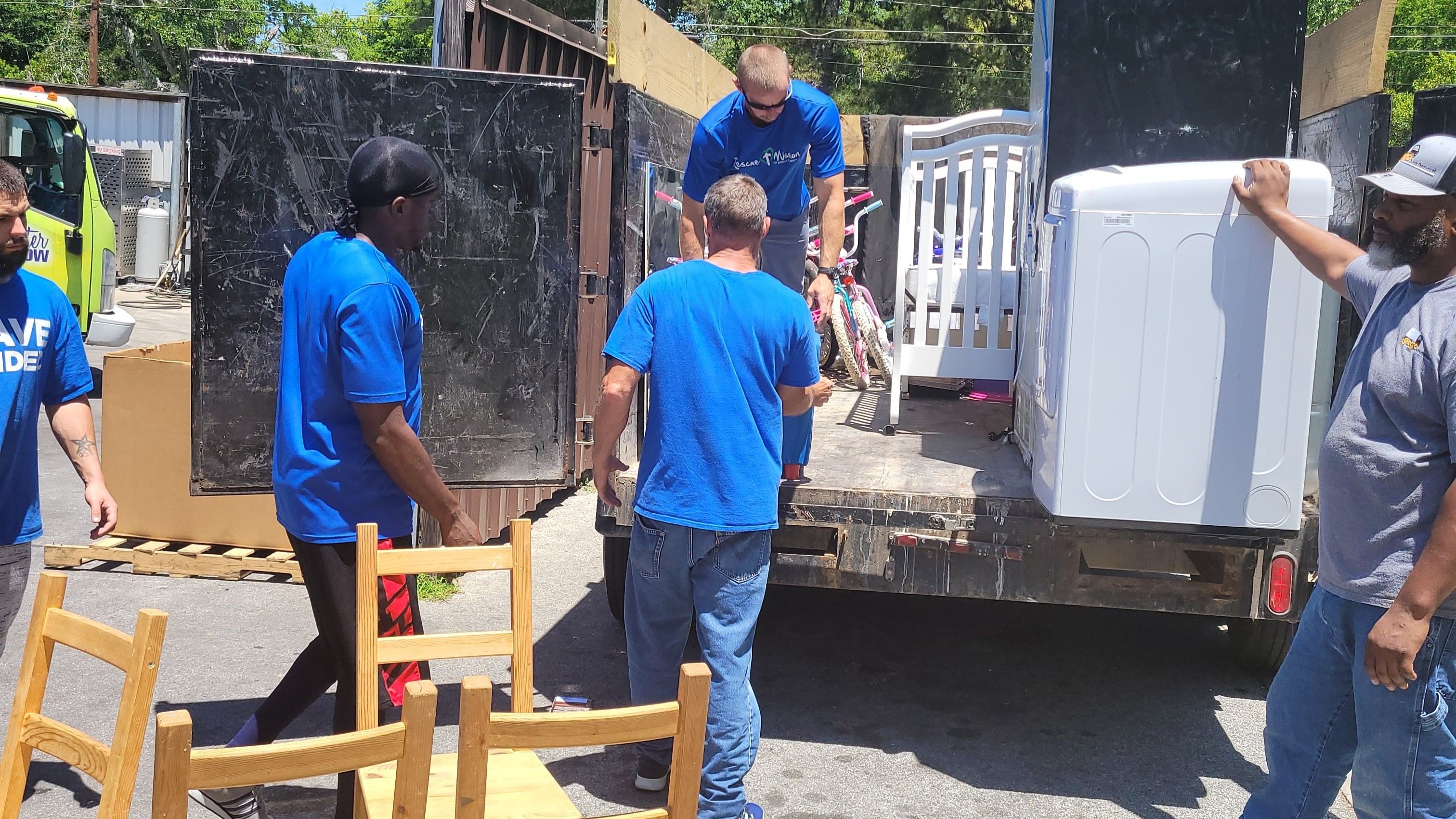
Furniture removal is one of those tasks that sounds easy until you're standing in front of a 300-pound sectional sofa wondering how it ever made it into your living room in the first place. The truth is, getting rid of old furniture involves more than just dragging it to the curb.
Whether you're upgrading your space, moving to a new home, or finally clearing out that guest room, understanding the right approach saves you time, money, and a potential trip to the emergency room. Let me walk you through everything you need to know.
Understanding Furniture Removal Basics
Before you start moving anything, you need to know what you're actually dealing with.
What Qualifies as Furniture Removal
This process isn't just about getting a couch out of your house. It includes sofas, beds, mattresses, dining tables, dressers, cabinets, desks, and entertainment centers. Basically, if it's a large household item that won't fit in your regular trash bin, it qualifies.
Some pieces are heavier than they look. A wooden dresser can weigh 100-150 pounds empty, and larger solid wood pieces reach 200+ pounds. Add the drawers back in, and you're looking at serious weight. Mattresses are bulky and awkward. Sectional sofas have multiple pieces that need coordination.
Common Furniture Removal Scenarios
Most people need this service during three main situations:
- When you're moving and don't want to take everything with you
- When you're upgrading and the old stuff needs to go
- When you inherit a property and need to clear it out fast
Preparing Your Space for Furniture Removal
Preparation separates smooth operations from disasters waiting to happen.
Assessing Item Condition and Size
Walk through your space and make a list. Which pieces are you keeping, donating, or tossing? Measure doorways, hallways, and staircases. I've watched people try to force a king-size bed frame through a 30-inch doorway. It doesn't work.
Check the condition too. Can this be donated? Is it falling apart? Does it have stains or damage? This determines where it goes next.
Clearing Pathways and Access Points
Remove everything between your furniture and the exit. That means rugs, small tables, plants, and decorative items. Clear at least 3 feet of space on both sides if possible.
Prop doors open. Remove any pictures or mirrors on walls along the path. One wrong turn and you're replacing drywall.
Heavy furniture isn't just hard to move—it's dangerous. Improper lifting causes back injuries, and the Bureau of Labor Statistics reports over 86,000 lifting-related injuries annually. Wear closed-toe shoes with good grip. Use work gloves. If you have stairs, take extra time. Never rush.